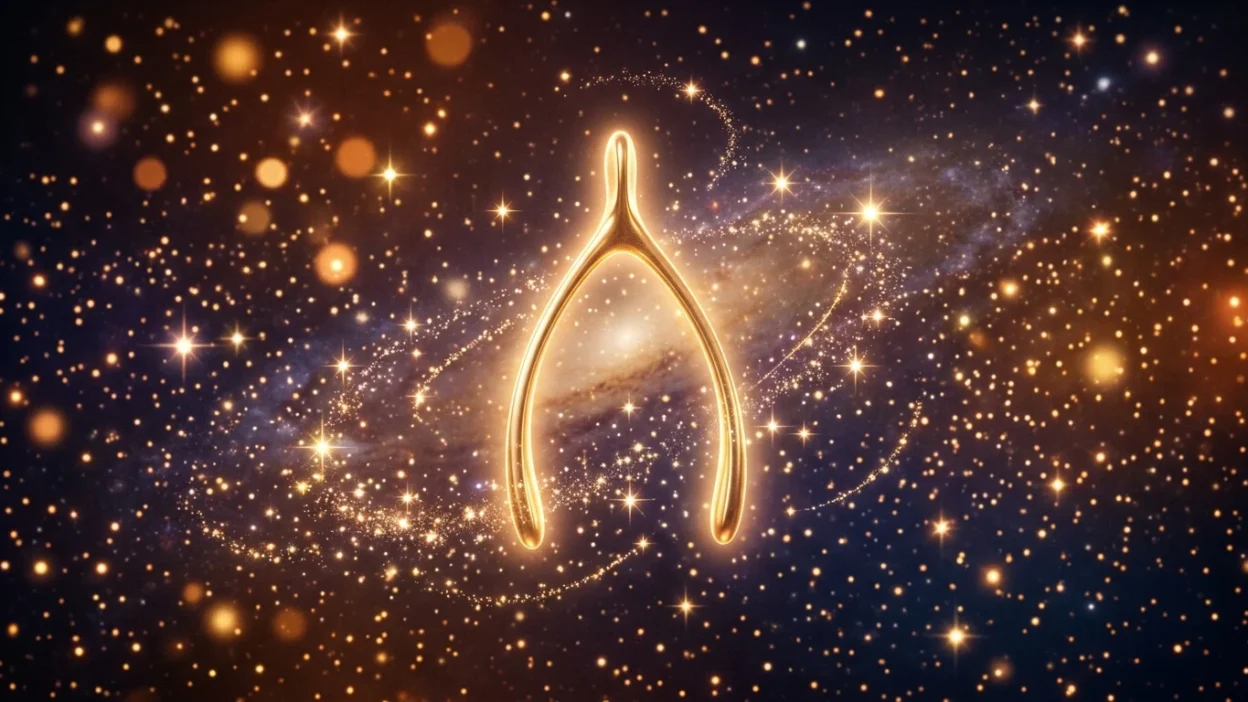
Wishbone symbolism has fascinated people for centuries as a symbol of luck, hope, and fulfilled wishes. From ancient rituals to modern holiday traditions, the wishbone represents the belief that fortune can favor those who dare to make a wish. Its unique shape and playful tradition have transformed a simple bone into a powerful cultural symbol.
Across cultures and generations, the wishbone reminds us of optimism and possibility. If broken during celebrations or worn as jewelry, this small symbol carries a timeless message: hope and good fortune often begin with belief.
What Does a Wishbone Symbolize?
At its core, wishbone symbolism centers around luck and the fulfillment of wishes. Traditionally, two people pull apart the bone after making a wish, and the person holding the larger piece is believed to have their wish granted.
Beyond luck, the wishbone can symbolize opportunity, faith in the future, and the power of intention. It represents the idea that dreams and hopes are worth holding onto.
Core Symbolic Meanings of the Wishbone
| Symbolic Meaning | Interpretation |
|---|---|
| Good Luck | A classic symbol of fortune and positive outcomes |
| Wishes | Hope that dreams and desires will come true |
| Opportunity | Belief in unexpected chances and possibilities |
| Optimism | Maintaining hope for the future |
| Celebration | Associated with joyful gatherings and traditions |
| Unity | Shared rituals that bring people together |
Spiritual Meaning of Wishbone Symbolism
Spiritually, the wishbone symbolizes faith in positive outcomes. Making a wish represents the act of focusing intention on a hopeful future.
Many spiritual traditions emphasize that belief and intention influence outcomes. In this context, the wishbone becomes a reminder to remain optimistic and trust that opportunities can arise unexpectedly.
The Wishbone as a Symbol of Hope
The ritual of breaking a wishbone encourages participants to visualize their desires. This act reflects the spiritual idea that hope and belief play important roles in shaping personal experiences.
For some people, the wishbone represents the balance between chance and faith—reminding us that life often rewards those who remain hopeful.
Wishbone Symbolism in the Bible
The wishbone itself does not appear directly in Biblical texts, but its symbolic themes—hope, blessings, and faith—align closely with Biblical teachings.
In the Bible, hope and trust in divine providence are frequently emphasized. Symbolically, the wishbone’s connection to wishes and blessings reflects the belief that good things come through faith and gratitude.
From a Biblical perspective, symbols like the wishbone may be interpreted as reminders to maintain hope and trust in God’s plan.
Historical and Cultural Symbolism of the Wishbone
The tradition behind wishbone symbolism dates back thousands of years.
Ancient Origins
Historians believe the custom began with the Etruscans, an ancient civilization in Italy. They considered chickens sacred and believed their bones possessed prophetic powers. People would dry the wishbone and gently stroke it while making wishes.
Later, the Romans adopted this practice and spread it throughout Europe. Eventually, the tradition evolved into the familiar ritual of two people pulling the bone apart.
The Thanksgiving Tradition
In the United States and other Western cultures, breaking the wishbone became a popular holiday tradition, particularly during Thanksgiving meals. Families and friends participate in the ritual as a playful way to celebrate luck and hope.
Over time, the wishbone became widely recognized as a symbol of good fortune.
Wishbone Symbolism in Literature and Art
In literature and art, the wishbone often represents hope and the power of belief.
Writers sometimes use the wishbone metaphorically to illustrate the tension between dreams and reality. Just as the bone splits between two people, stories may explore competing wishes or the unpredictability of fate.
Artists also incorporate wishbone imagery into jewelry, paintings, and decorative art to represent luck and positive energy.
The Wishbone as a Symbol of Chance
The act of breaking the wishbone introduces an element of chance. This unpredictability mirrors life’s uncertain nature, making the symbol both playful and philosophical.
Wishbone Symbolism in Dreams
Dreaming about a wishbone can symbolize optimism, desire, and anticipation for good fortune.
Common Wishbone Dream Interpretations
- Finding a wishbone – Hope for upcoming opportunities
- Breaking a wishbone – A decision or competition in life
- Holding a wishbone – Belief that a wish may soon come true
- A broken wishbone – Mixed outcomes or divided expectations
These dreams often reflect the dreamer’s hopes, ambitions, or feelings about luck and opportunity.
Modern Interpretations of Wishbone Symbolism
Today, wishbones appear frequently in jewelry, tattoos, and decorative designs. Many people wear wishbone pendants as lucky charms or reminders to stay hopeful.
The symbol is also used in motivational contexts. It encourages people to believe in possibilities and pursue their dreams with confidence.
Wishbone as a Symbol of Positivity
Modern interpretations emphasize the wishbone’s uplifting message. Instead of relying purely on luck, the symbol can inspire individuals to take action toward their goals while maintaining a hopeful mindset.
Because of this, the wishbone continues to resonate as a symbol of optimism and opportunity.
Conclusion
Wishbone symbolism carries a powerful message of hope, luck, and possibility. From ancient Etruscan rituals to modern holiday traditions, this small but meaningful symbol has encouraged people to dream and believe in positive outcomes.
Whether used in playful celebrations or personal inspiration, the wishbone reminds us that hope and optimism can shape our experiences. Sometimes, making a wish is the first step toward making it real.
FAQs
What does a wishbone symbolize?
A wishbone symbolizes luck, hope, opportunity, and the belief that wishes can come true.
Where did the wishbone tradition originate?
The tradition originated with the ancient Etruscans in Italy and later spread through Roman culture into Europe and beyond.
What does a wishbone necklace mean?
A wishbone necklace is often worn as a lucky charm, symbolizing hope, good fortune, and belief in achieving dreams.
What does dreaming about a wishbone mean?
Dreaming about a wishbone usually represents hope, anticipation, and the possibility of positive outcomes or opportunities.
Why do people break wishbones?
Breaking a wishbone is a traditional ritual where two people make wishes and pull the bone apart to see whose wish may come true.