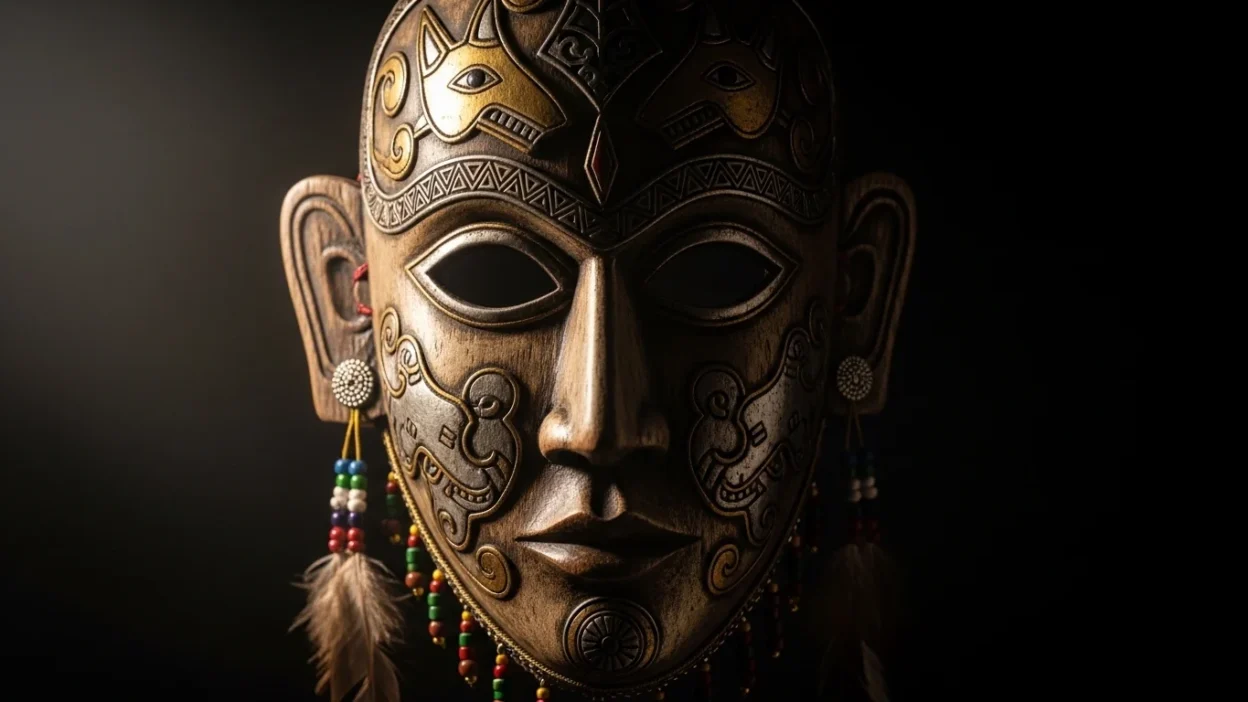
Mask symbolism has fascinated humanity for centuries. A mask can hide identity, reveal hidden emotions, or represent transformation. Across cultures, religions, literature, and psychology, masks symbolize both concealment and revelation. People wear masks to protect themselves, perform roles, or connect with deeper spiritual meanings.
From ancient rituals to modern social media personas, the symbolism of masks continues to evolve. Understanding mask symbolism helps us explore themes of identity, truth, illusion, and personal transformation.
What Is Mask Symbolism?
Mask symbolism refers to the deeper meanings associated with masks beyond their physical function. A mask often represents hidden identity, protection, transformation, or duality.
In many traditions, wearing a mask allows a person to step into another role or spiritual state. This symbolic transformation shows how humans navigate between their true self and public identity.
Common symbolic meanings include:
- Concealment of true identity
- Protection from danger or spiritual forces
- Transformation into another character or spirit
- Social roles and expectations
- Mystery and hidden truths
Because of these meanings, masks frequently appear in rituals, theater, dreams, and modern culture.
Spiritual Meaning of Masks
Spiritually, masks often symbolize inner transformation and the separation between the outer self and the soul.
In many spiritual traditions, wearing a mask represents becoming a different spiritual entity or channeling divine energy. Ritual masks can symbolize protection from negative energies or a bridge between the physical and spiritual worlds.
Some spiritual interpretations include:
- Awakening hidden aspects of the self
- Spiritual protection
- Connection to ancestors or spirits
- Transformation and rebirth
A mask reminds us that identity is not always fixed. Instead, it can evolve as we grow spiritually.
Biblical Meaning of Masks
While masks are not frequently mentioned directly in the Bible, the idea of hidden identity or false appearances appears often.
Biblical teachings warn against hypocrisy pretending to be righteous while hiding true intentions. In this context, a mask symbolizes deception or spiritual dishonesty.
For example, religious leaders who appeared holy but acted unjustly were criticized for their outward appearance. Symbolically, this reflects the idea of wearing a spiritual mask.
At the same time, removing a mask can symbolize truth, repentance, and authenticity before God.
Historical and Cultural Symbolism of Masks
Throughout history, masks have played a powerful role in rituals, festivals, and performances across many cultures.
African Ritual Masks
In many African traditions, masks represent spirits, ancestors, and natural forces. During ceremonies, dancers wearing masks embody these spiritual beings.
These masks symbolize transformation from a human identity into a sacred presence.
Asian Cultural Masks
In Asian theater traditions, masks often represent specific character traits or emotions. Different designs symbolize courage, evil, wisdom, or humor.
European Festival Masks
Carnival masks, especially in Venice, symbolize freedom from social roles and anonymity. During festivals, people could temporarily escape rigid social structures.
Across cultures, masks allow people to explore different identities and spiritual roles.
Mask Symbolism in Literature and Art
Masks frequently appear in literature and art as symbols of hidden truth, deception, and identity struggles.
Writers use masks to explore themes like:
- The difference between public image and private self
- Social expectations and conformity
- Secrets and hidden emotions
- Psychological duality
Characters who metaphorically “wear masks” often struggle with authenticity. Their journey involves removing the mask and discovering their true identity.
Artists also depict masks to represent mystery, transformation, and theatrical expression.
Mask Symbolism in Dreams
Dreaming of a mask often reflects questions about identity, honesty, or hidden emotions.
Different dream scenarios can have unique meanings.
| Dream Scenario | Possible Symbolic Meaning |
|---|---|
| Wearing a mask | Hiding true feelings or identity |
| Removing a mask | Revealing truth or self-discovery |
| Seeing someone else wearing a mask | Distrust or hidden motives |
| Broken mask | Loss of protection or exposure |
| Many masks | Confusion about identity or social roles |
Dreams about masks often encourage reflection about authenticity and self-awareness.
Modern Interpretations of Mask Symbolism
In modern society, masks symbolize more than physical disguise. They represent social roles, digital identities, and psychological defenses.
People sometimes wear emotional “masks” to hide vulnerability or protect themselves from judgment. Social media can also act like a symbolic mask, showing curated versions of reality.
Modern interpretations include:
- Social identity and performance
- Emotional protection
- Cultural expression
- Personal transformation
Masks remind us that identity can be complex and layered.
Common Symbolic Meanings of Masks
| Symbol | Meaning |
|---|---|
| Hidden Identity | Concealing one’s true self |
| Transformation | Becoming someone new |
| Protection | Shielding emotions or spirit |
| Deception | Pretending or hiding truth |
| Mystery | Unknown or secret aspects of life |
These meanings show why masks remain powerful symbols across cultures and time.
Final Thoughts
Mask symbolism reveals one of the most fascinating aspects of human nature: the tension between who we appear to be and who we truly are. Throughout history, masks have allowed people to transform, hide, celebrate, and express deeper truths.
Whether in rituals, dreams, art, or daily life, masks remind us that identity is layered. Sometimes we wear masks for protection, but true growth often begins when we remove them and embrace authenticity.
FAQs
What does a mask symbolize spiritually?
Spiritually, a mask often symbolizes transformation, protection, and the connection between the physical world and spiritual identity.
What does dreaming about a mask mean?
Dreaming of a mask may indicate hidden emotions, deception, or the need to reveal one’s true self.
Why are masks important in different cultures?
Many cultures use masks in rituals, festivals, and performances to represent spirits, ancestors, or symbolic characters.
What does removing a mask symbolize?
Removing a mask usually represents truth, authenticity, and self-discovery.
Can masks represent psychological defense?
Yes. Psychologically, masks can symbolize emotional protection or the roles people adopt to navigate social situations.