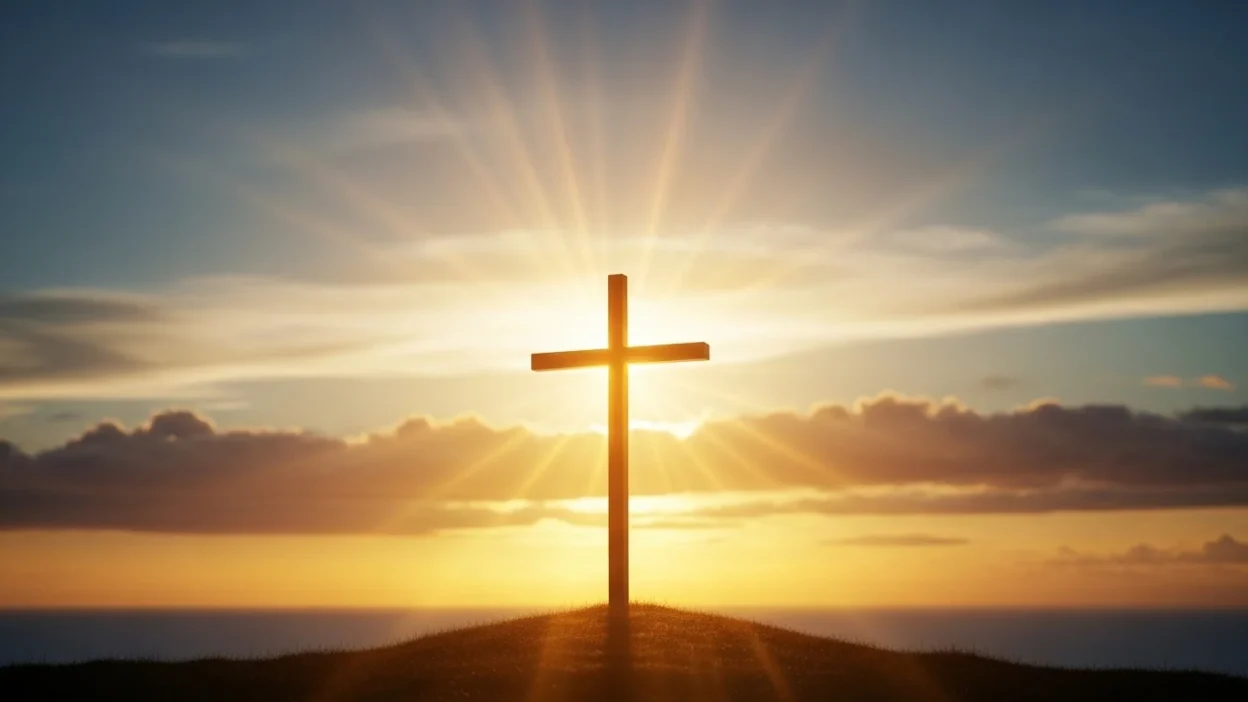
Cross symbolism represents faith, sacrifice, redemption, protection, and spiritual transformation. Across history, the cross has symbolized divine love, hope in suffering, and the connection between heaven and earth. While most widely known in Christianity, the cross also appears in ancient cultures long before modern religion.
In this guide, you’ll explore the spiritual meaning of the cross, its Biblical symbolism, historical origins, cultural interpretations, dream meanings, and modern significance.
What Does the Cross Symbolize? (Core Meaning)
At its core, the cross symbolizes sacrifice, faith, protection, and divine love.
The vertical and horizontal lines also carry meaning:
- Vertical line Connection between God and humanity
- Horizontal line Human relationships and earthly life
Together, they symbolize unity between the spiritual and physical worlds.
Spiritual Symbolism of the Cross
Spiritually, the cross represents redemption, transformation, and eternal hope.
1. Sacrifice and Redemption
The cross symbolizes selflessness and spiritual rebirth through sacrifice.
2. Protection and Faith
Many view the cross as a protective spiritual symbol against negativity.
3. Balance and Unity
The intersecting lines represent harmony between heaven and earth.
Cross Symbolism in Christianity
In Christianity, the cross is central to faith because of the crucifixion of Jesus Christ.
In the Bible, the cross symbolizes:
- Salvation
- Forgiveness
- Divine love
- Eternal life
- Victory over sin and death
It represents the ultimate act of love and sacrifice.
Historical Origins of Cross Symbolism
The cross existed long before Christianity.
Ancient Egyptian Symbolism
The Ankh cross symbolized life and immortality.
Greek Symbolism
The cross shape symbolized balance and cosmic order.
Celtic Symbolism
The Celtic cross combined the Christian cross with a circle, symbolizing eternity and divine unity.
Native American Symbolism
The cross symbolized:
- The four directions
- Balance of nature
- Spiritual harmony
- Life cycles
Types of Cross Symbols and Their Meanings
| Cross Type | Meaning | Spiritual Message |
|---|---|---|
| Latin Cross | Sacrifice and salvation | Faith and redemption |
| Celtic Cross | Eternity and unity | Spiritual balance |
| Greek Cross | Harmony | Equality and order |
| Ankh Cross | Life and immortality | Eternal existence |
| Orthodox Cross | Faith and divine truth | Spiritual strength |
Cross Symbolism in Islam
While the cross is primarily associated with Christianity, Islam acknowledges Jesus Christ (known as Isa in Islam) as a prophet in the Quran. However, the cross itself is not used as a religious symbol in Islamic tradition.
Islam emphasizes monotheism and divine unity rather than symbolic imagery.
Cross Symbolism in Literature and Art
The cross appears frequently in religious art and literature as a symbol of sacrifice and faith.
Artists such as Michelangelo portrayed crucifixion scenes to reflect devotion and divine love.
Common artistic meanings include:
- Redemption
- Spiritual suffering
- Faith under trial
- Divine mercy
The cross represents emotional and spiritual depth.
Cross Symbolism in Dreams
Dreaming of a cross often carries spiritual significance.
Common cross dream meanings:
Seeing a cross
- Spiritual awakening
- Seeking guidance
Carrying a cross
- Responsibility
- Personal sacrifice
Glowing cross
- Divine protection
- Faith strengthened
Broken cross
- Doubt or spiritual struggle
Cross dreams often encourage faith and reflection.
Psychological Meaning of Cross Symbolism
Psychologically, the cross represents:
- Balance
- Responsibility
- Moral awareness
- Personal sacrifice
It can symbolize carrying emotional burdens or seeking higher meaning.
Modern Symbolism of the Cross
Today, the cross symbolizes both faith and identity.
1. Religious Devotion
It represents commitment to Christian belief.
2. Protection and Hope
Many wear crosses for spiritual protection.
3. Sacrifice and Service
The cross symbolizes compassion and helping others.
4. Memorial and Remembrance
Crosses are often used to honor loved ones.
Positive and Negative Symbolic Meanings of the Cross
Positive meanings:
- Faith
- Redemption
- Love
- Protection
- Eternal life
Negative meanings:
- Suffering
- Sacrifice
- Burden
- Spiritual struggle
The cross reflects both hardship and hope.
Cross Symbolism Summary List
The cross symbolizes:
- Sacrifice and redemption
- Divine love
- Faith and devotion
- Protection
- Spiritual transformation
- Unity between heaven and earth
Conclusion:
Cross symbolism represents both sacrifice and hope. It reminds us that growth often comes through struggle and faith. The cross teaches love, redemption, and spiritual resilience.
It stands as a powerful symbol of transformation, reminding believers and seekers alike that even through suffering, renewal and light are possible.
FAQs
What does the cross symbolize spiritually?
The cross symbolizes faith, sacrifice, redemption, divine love, and spiritual transformation.
What does carrying a cross mean?
It symbolizes personal responsibility, sacrifice, and spiritual growth.
Is the cross only a Christian symbol?
No. The cross existed in ancient cultures before Christianity, though it is central to Christian faith today.
What does dreaming about a cross mean?
It often represents faith, guidance, personal struggle, or spiritual awakening.
Why is the cross a symbol of protection?
Many believe it represents divine protection, hope, and spiritual strength.