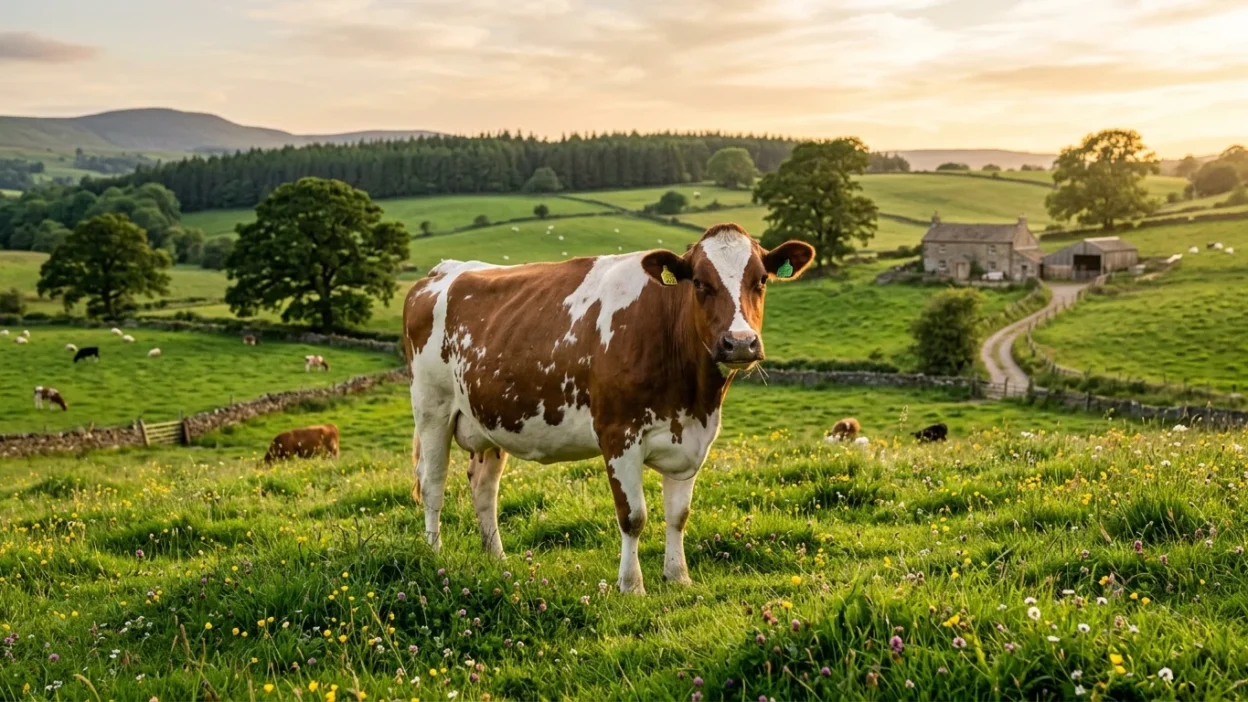
Cow symbolism is deeply rooted in themes of nurturing, abundance, and gentle strength. Known for their calm presence and life sustaining role, cows symbolize motherhood, prosperity, and harmony with nature.
Across cultures and spiritual traditions, the cow is revered as a sacred and giving creature that represents nourishment and care.
What Does a Cow Symbolize?
Cow symbolism centers on nourishment, fertility, patience, and generosity. It reflects a giving nature and the ability to support life with calm strength.
Key Symbolic Meanings of Cows
- Nurturing and motherhood
- Abundance and prosperity
- Patience and calmness
- Fertility and life-giving energy
- Compassion and generosity
Spiritual Significance of Cows
Spiritually, cows symbolize unconditional love, grounding energy, and connection to nature. They remind us to live with kindness and balance.
Nurturing Energy
Cows represent maternal care and emotional support, encouraging compassion toward others.
Abundance and Gratitude
They symbolize blessings and the importance of appreciating what we have.
Peaceful Presence
Cows reflect calmness, patience, and inner peace.
Cow Symbolism in Different Cultures
Cows have profound symbolic meaning across the world, often associated with sacredness and prosperity.
Indian Culture
In India, cows are considered sacred and symbolize life, nourishment, and divine energy. They are deeply respected and protected.
Ancient Egypt
Cows were linked to motherhood and fertility, often associated with goddesses.
African Traditions
Cows represent wealth, status, and survival in many communities.
Western Cultures
Cows symbolize agriculture, nourishment, and rural abundance.
Biblical Meaning of Cows
Cows carry important symbolic meanings in the Bible, often related to provision and prosperity.
Symbol of Abundance
Cattle represent wealth and blessings in many Biblical stories.
Prosperity and Famine
They are also used in symbolic dreams to represent cycles of abundance and scarcity.
Historical Symbolism of Cows
Historically, cows symbolized survival, wealth, and stability. Their role in agriculture made them essential to human life and prosperity.
Cow Symbolism in Literature and Art
Cows appear in literature and art as symbols of nurturing, simplicity, and life.
Literary References
They often represent fertility, sustenance, and peaceful living.
Artistic Symbolism
In art, cows symbolize abundance, motherhood, and harmony with nature.
Cow Symbolism in Dreams
Dreams about cows often reflect nourishment, emotional support, and prosperity.
Common Dream Interpretations
- Seeing a cow: abundance and nurturing
- Feeding a cow: caring for others
- Herd of cows: community and support
- Thin cow: lack or concern about resources
Modern Interpretations of Cow Symbolism
Today, cow symbolism reflects sustainability, nurturing, and emotional well-being.
Abundance and Success
Cows symbolize steady growth and long-term prosperity.
Care and Compassion
They remind us to nurture relationships and show kindness.
Balance with Nature
Cows represent living in harmony with the environment.
Symbolic Meaning of Cows (Quick Overview)
| Symbolism Aspect | Meaning |
|---|---|
| Nurturing | Care and motherhood |
| Abundance | Prosperity and wealth |
| Patience | Calm and steady energy |
| Fertility | Growth and life |
| Compassion | Kindness and generosity |
Conclusion
Cow symbolism teaches us the value of nurturing, patience, and abundance. It reminds us to live with compassion, appreciate life’s blessings, and maintain harmony with nature.
By embracing the cow’s gentle energy, we can create a more balanced and fulfilling life.
FAQs
1. What does a cow symbolize spiritually?
It symbolizes nurturing, abundance, compassion, and connection to nature.
2. Is seeing a cow a good omen?
Yes, it often represents prosperity, peace, and positive energy.
3. What does a cow mean in dreams?
It can symbolize nourishment, support, or financial stability.
4. What do cows symbolize in the Bible?
They symbolize abundance, wealth, and cycles of prosperity and scarcity.
5. Why are cows considered sacred in some cultures?
Because they provide nourishment and are seen as life-giving and nurturing beings.