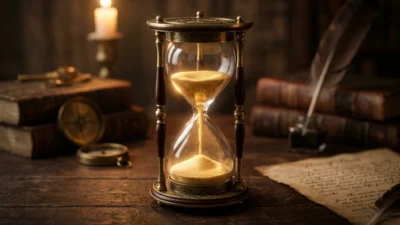
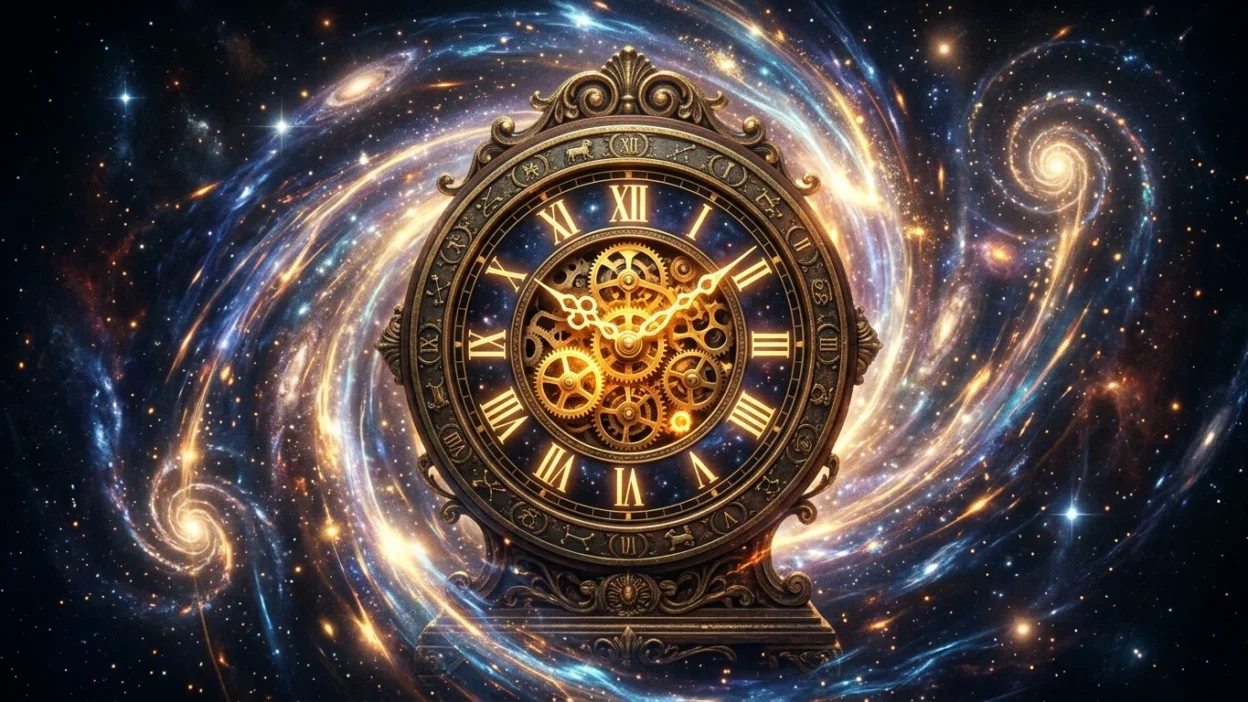
Clock symbolism has long captured human imagination because it represents one of life’s most powerful forces time. From ancient sundials to modern digital clocks, these timekeeping devices symbolize life’s passage, mortality, opportunity, and the rhythm of existence. A clock does more than measure minutes and hours; symbolically, it reminds us that every moment carries meaning.
Across cultures, religions, literature, and dreams, clocks reflect the idea that time shapes our experiences. Whether ticking steadily on a wall or appearing symbolically in art, a clock often represents life’s fleeting nature and the importance of living purposefully.
What Does a Clock Symbolize?
Clock symbolism is deeply tied to the concept of time. Because time controls growth, change, and endings, clocks often symbolize life cycles, urgency, destiny, and awareness of the present moment.
A clock may also represent balance and order. Its precise movement reminds people of the structure of life and the steady progression of events.
Core Symbolic Meanings of Clocks
| Symbolic Meaning | Interpretation |
|---|---|
| Passage of Time | Life moving forward and moments passing |
| Mortality | Reminder that life is finite |
| Opportunity | Encouragement to act before time runs out |
| Order | Structure, discipline, and balance |
| Cycles | Repeating patterns in life and nature |
| Awareness | Living mindfully in the present |
Spiritual Meaning of Clock Symbolism
Spiritually, clocks often symbolize divine timing. Many spiritual teachings emphasize that events happen when the time is right. A clock can therefore represent patience, faith, and trust in the unfolding of life.
Some spiritual interpretations view clocks as reminders that life is temporary. Instead of causing fear, this symbolism encourages people to value each moment and live with intention.
Clocks as Messages About Timing
Seeing a clock repeatedly in spiritual contexts may suggest reflection on priorities. It can symbolize that a certain moment is significant or that a personal transformation is approaching.
In meditation or symbolic reflection, clocks can remind individuals to align their actions with purpose rather than rushing through life.
Clock Symbolism in the Bible
Although mechanical clocks were invented long after Biblical times, the concept of time symbolism appears frequently in Biblical teachings.
Scripture often refers to “appointed times” and divine timing, emphasizing that events unfold according to God’s plan. In this sense, a clock symbolically represents the idea that every moment has a purpose within a greater design.
Biblical interpretations of time symbolism often include:
- God’s perfect timing in life events
- The importance of wisdom in using time wisely
- Awareness of life’s temporary nature
This perspective encourages believers to live responsibly and with faith in divine guidance.
Historical and Cultural Symbolism of Clocks
Throughout history, clocks have symbolized human attempts to understand and control time.
Early Timekeeping and Meaning
Ancient civilizations used sundials and water clocks to measure time. These devices reflected humanity’s fascination with cosmic order and natural cycles.
When mechanical clocks appeared in medieval Europe, they became symbols of progress, knowledge, and civilization. Tower clocks in city centers represented both technological achievement and the organization of community life.
Cultural Interpretations
Different cultures have attached unique meanings to clocks. In some traditions, a stopped clock symbolizes endings or change. In others, clocks represent discipline, punctuality, and respect for time.
Because time affects every human experience, clocks naturally became universal symbols of life’s rhythm.
Clock Symbolism in Literature and Art
Writers and artists frequently use clocks to express themes of mortality, urgency, and destiny.
Clocks in literature often symbolize the pressure of time or the inevitability of change. A ticking clock in stories may create suspense or remind characters that time is running out.
In visual art, surrealist artists sometimes distort clocks to represent the fluid nature of time. These creative interpretations challenge the idea that time is fixed or predictable.
The Clock as a Metaphor
In storytelling, clocks can represent the turning points of life. Midnight, for example, often symbolizes transformation or the moment when fate changes direction.
Because of this, clocks remain powerful storytelling tools across novels, films, and poetry.
Clock Symbolism in Dreams
Dreaming about clocks can reveal thoughts about time, priorities, or personal pressure.
Common Clock Dream Interpretations
- A fast-moving clock – Feeling rushed or overwhelmed
- A broken clock – Stagnation or disruption in life
- A ticking clock – Awareness of deadlines or urgency
- A stopped clock – A major life change or transition
These dream interpretations often relate to how individuals perceive time in their waking lives.
Modern Interpretations of Clock Symbolism
In modern culture, clocks continue to symbolize productivity, ambition, and the balance between work and personal life.
Digital clocks, smart devices, and time-tracking tools highlight how modern society values efficiency and scheduling. Yet symbolically, clocks also remind people to slow down and appreciate the present.
Clock tattoos are also popular symbols. Many people choose them to represent significant moments, memories, or turning points in life.
The Motivational Meaning of Clocks
Today, clock symbolism often appears in motivational contexts. Phrases like “time is precious” emphasize the importance of using each moment wisely.
Instead of representing pressure, a clock can inspire mindfulness and purposeful living. topic and connect readers with related symbolism discussions
Conclusion
Clock symbolism reminds us that time is both powerful and precious. Across spiritual teachings, cultural traditions, literature, and dreams, clocks symbolize life’s passage, opportunities, and transformations.
Rather than simply measuring hours, a clock invites reflection on how we spend our moments. It encourages mindfulness, patience, and the courage to act when the time is right. Ultimately, clock symbolism teaches that every second holds the potential for growth, change, and meaning.
FAQs
What does a clock symbolize spiritually?
Spiritually, a clock symbolizes divine timing, life cycles, and the reminder to live consciously and make meaningful use of time.
What does a broken clock symbolize?
A broken clock often symbolizes disruption, stagnation, or a moment when time seems to stand still due to change or uncertainty.
What does dreaming about a clock mean?
Dreaming of a clock usually reflects awareness of time, deadlines, life transitions, or concerns about missed opportunities.
Why do clocks symbolize mortality?
Because clocks measure the passing of time, they naturally remind people that life is temporary and that moments should be valued.
What does a clock tattoo represent?
A clock tattoo often represents important life moments, memories, destiny, or the idea that time shapes personal journeys.